CNC Machining Applications Across Industries and Uses
Aerospace Industry Applications
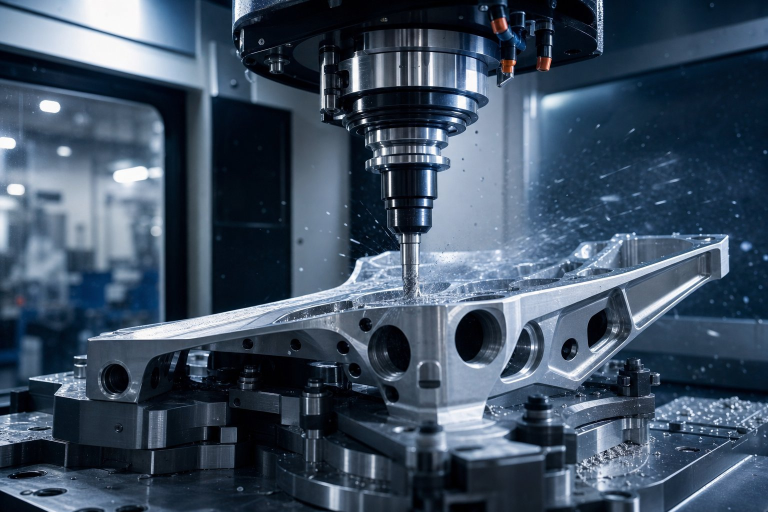
In aerospace manufacturing, there is zero room for error. We utilize advanced precision engineering to deliver high-performance aerospace components that meet the strictest safety and regulatory standards.
Why Precision Matters for Flight Safety
When components operate at 30,000 feet or during atmospheric re-entry, minor deviations can lead to catastrophic system failures. We rely on computer numerical control systems to achieve extreme accuracy, ensuring every part performs reliably under intense pressure, thermal shock, and high vibrations.
- Tight Tolerances: We routinely achieve tolerances as narrow as ±0.0025 mm.
- Structural Integrity: Subtractive manufacturing carves parts from solid metal blocks, eliminating the structural weak points found in welded assemblies.
- Repeatability: Whether making a single prototype or a batch of thousands, every part matches the exact digital blueprint.
Common Aerospace Parts Made with CNC
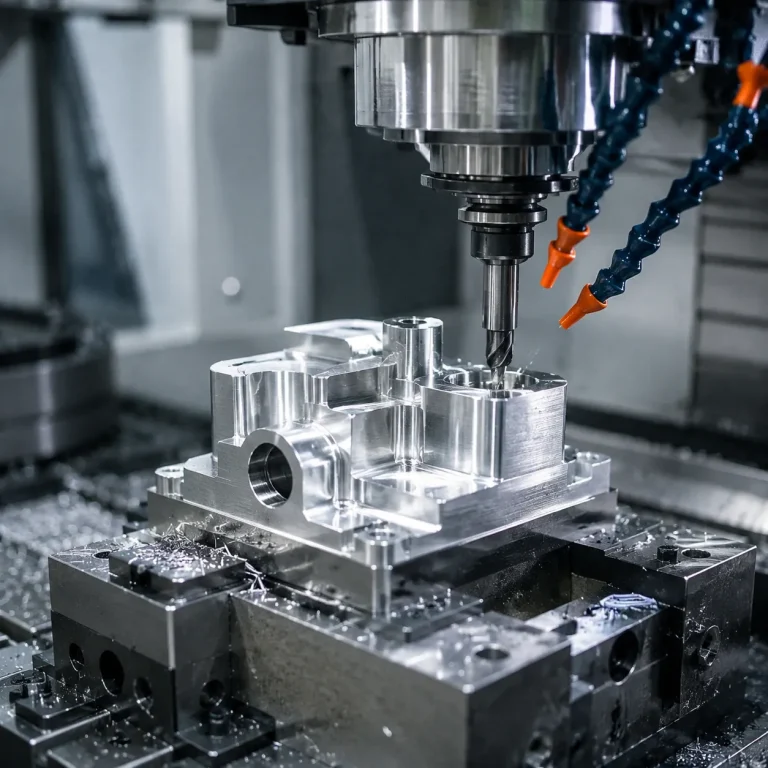
Our CNC milling and CNC turning centers produce complex geometries required for critical flight and structural systems:
| Component Type | Description & Function |
|---|---|
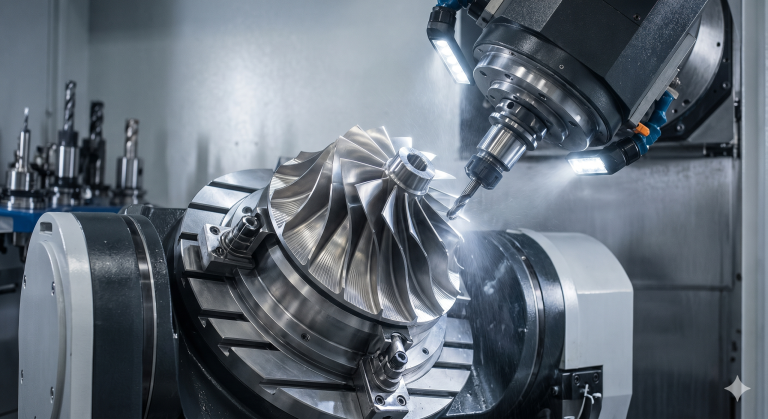
| Turbine Blades | Requires intricate 5-axis machining for optimized aerodynamics and cooling channels in jet engines. |
| Engine Mounts | High-strength structural units that secure the engine to the airframe and absorb operational vibrations. |
| Landing Gear Components | Heavy-duty actuators, shock absorber housings, and wheel brackets engineered to withstand massive impact forces. |
Advanced Materials We Machine
We specialize in processing high-performance, flight-ready materials that balance weight reduction with extreme durability:
- Titanium: Ideal for critical structural parts due to its exceptional strength-to-weight ratio and corrosion resistance.
- Aluminum Alloys: Widely used for airframe panels, internal brackets, and housings where weight savings are critical.
- Superalloys (Inconel, Hastelloy): Utilized in the hottest sections of jet engines because they maintain structural integrity at extreme temperatures.
Automotive CNC Machining Applications
We rely heavily on computer numerical control technology to drive the automotive sector forward. From massive production runs to rapid prototyping, our precision engineering ensures every component meets strict industry standards.
High-Volume Production & Rapid Prototyping
We use advanced CNC milling and CNC turning to bridge the gap between design and mass manufacturing.
Speed: Shaving days off traditional fabrication times.
Consistency: Delivering identical automotive parts whether we scale to hundreds or hundreds of thousands.
Flexibility: Modifying digital blueprints instantly to test new iterations before launching full-scale runs.
Essential Engine & Drivetrain Components
The most critical, high-stress areas of a vehicle demand tight tolerances that manual labor simply cannot achieve. We regularly manufacture:
| Component | Manufacturing Requirement | Key Benefit |
|---|---|---|
| Engine Blocks | High-precision boring and milling | Optimal thermal efficiency and cylinder alignment |
| Cylinder Heads | Intricate pathway carving | Maximized airflow and fuel combustion |
| Drive Shafts | Exact rotational balance | Vibrations eliminated for smooth power transfer |
Custom Aftermarket & Classic Car Restoration
The automotive market isn’t just about mass production; it relies on tailored solutions. We specialize in producing custom machined parts for unique automotive projects:
Discontinued Parts: Recreating rare components for classic car restoration using subtractive manufacturing from solid metal blocks.
Performance Upgrades: Crafting lightweight, high-strength aftermarket modifications tailored to specific racing or tuning needs.
On-Demand Metal Fabrication: Eliminating the need for expensive molds or casting tooling for one-off specialty designs.
CNC Machining Applications in the Medical Field
When we manufacture medical devices, there is zero room for error. Lives depend on the precision of subtractive manufacturing, which is why our computer numerical control systems are vital for the healthcare sector. We meet strict regulatory standards and deliver biocompatible, custom machined parts that pass every compliance check.
Meeting Strict Biocompatibility Standards
- Material Certification: We work with medical-grade titanium, stainless steel (like 316L), and advanced plastics (PEEK) that are safe for human tissue.
- Extreme Cleanliness: Our processes prevent contamination, ensuring parts are ready for sterilization.
- Tight Tolerances: We regularly hold precision down to microns to match exact anatomical specs.
Surgical Instruments & Orthopedic Implants
We use advanced CNC milling and CNC turning to produce highly complex, reliable medical hardware:
| Application Type | Common Components Produced | Key Requirements |
|---|---|---|
| Surgical Tools | Scalpel handles, bone forceps, endoscopic cutters, clamps | Ergonomic design, corrosion resistance, high durability |
| Orthopedic Implants | Artificial hip joints, knee replacements, bone screws, plates | Biocompatibility, complex geometries via 5-axis machining |
Ventilators & Diagnostic Equipment
Beyond implants, our facility handles high-precision components for critical care and diagnostic machinery. We produce intricate valve blocks for ventilators, internal housings for MRI scanners, and specialized connectors for diagnostic gear where flawless performance is non-negotiable.
Electronics and Semiconductor CNC Machining Applications
We live in a world driven by smaller, faster, and more powerful electronics. To keep up with global tech demands, we rely heavily on high-precision CNC milling and CNC turning to produce the foundational hardware for modern tech infrastructure. From consumer devices to complex metal fabrication for fabrication plants, precision engineering ensures these delicate components perform flawlessly.
Key Components We Manufacture
- Heat Sinks and Shielding Enclosures: We machine custom aluminum heat sinks with exceptionally thin fins to maximize thermal dissipation. Our CNC-milled EMI/RFI shielding enclosures protect sensitive boards from external interference.
- Semiconductor Manufacturing Equipment Parts: The production of microchips requires tight tolerances and pristine environments. We deliver custom machined parts for wafer chucks, gas distribution plates, and vacuum chambers.
- Micro-Machining for Connectors and Sockets: Utilizing advanced 5-axis machining, we drill micro-holes and mill intricate geometries into specialized plastics and copper alloys for high-density connectors.
Material and Production Capabilities
| Component Type | Common Materials Used | Primary Manufacturing Benefit |
|---|---|---|
| Enclosures & Heat Sinks | Aluminum 6061, Copper | Excellent thermal conductivity and lightweight protection |
| Semiconductor Tooling | Quartz, Ceramic, Stainless Steel, PEEK | High wear resistance and chemical stability |
| Connectors & Sockets | Brass, Phosphor Bronze, Teflon | Exceptional electrical conductivity and precision fit |
By shifting from traditional methods to advanced subtractive manufacturing, we provide the rapid prototyping and production speeds required to launch next-generation electronics without compromising on quality or micro-scale accuracy.
Energy and Power Generation CNC Machining Applications
Energy infrastructure demands parts that survive extreme environments. We deliver high-precision custom machined parts engineered for maximum durability and performance across the power sector.
Wind and Solar Infrastructure
- Wind Turbine Components: We manufacture critical internal gearing, couplings, and generator parts using advanced 5-axis machining to handle complex geometries.
- Solar Panel Frames: We utilize custom aluminum extrusion and sheet metal fabrication to produce lightweight, corrosion-resistant structural supports.
Oil and Gas Drilling Rigs
- Downhole Tools & Valves: We use precision CNC turning and milling to produce valve shafts, connectors, and sensor housings.
- High-Strength Materials: We machine parts from heavy-duty alloys and stainless steel, maintaining tight tolerances down to +/- 0.005 mm to prevent failures under high pressure.
Nuclear Power Components
- Reactor & Control Elements: Nuclear applications require zero-defect manufacturing. Our ISO 9001:2015 certified facility ensures every part undergoes a strict 4-stage inspection process.
- Traceability: We provide full material certificates and inspection reports for every production run, ensuring complete compliance with industry safety standards.
CNC Machining Applications in Military and Defense
When national security is on the line, there is absolutely zero room for error. We utilize advanced computer numerical control systems to manufacture heavy-duty defense components that perform flawlessly in the harshest environments. For modern defense forces, precision engineering isn’t just a specification—it’s a mission-critical requirement.
Rugged Durability and Tight Tolerances
Military hardware demands extreme resilience and exact repeatability. Our defense-grade metal fabrication processes achieve the incredibly tight tolerances required for tactical readiness.
- Extreme Environments: Components withstand high impacts, corrosive saltwater, and intense thermal shock.
- Interchangeability: Strict adherence to exact dimensions ensures fields-replaceable parts fit perfectly every time.
- Advanced Subtractive Manufacturing: High-strength materials are milled and turned to exact specifications without compromising structural integrity.
Defense Capabilities
| Sector | Common Applications | Key Manufacturing Focus |
|---|---|---|
| Firearms & Ordnance | Receivers, bolts, triggers, and custom rails | High-repeatability CNC milling for flawless cycling |
| Aerospace & Missiles | Missile guidance systems, housing units, and fin controls | Complex geometry using ultra-precise 5-axis machining |
| Naval & Maritime | Propeller shafts, valve bodies, and radar enclosures | Corrosion-resistant custom machined parts |
| Armored Vehicles | Suspension mounts, drivetrain components, and hatch mechanisms | High-impact CNC turning for heavy-duty steel and titanium alloys |
We deliver the uncompromising reliability that defense contractors and global military agencies depend on to maintain operational superiority.
FAQs About CNC Machining Applications
What materials can be used in CNC machining?
We work with a massive range of materials using subtractive manufacturing to fit almost any project requirement.
- Metals: Aluminum (6061, 7075), Titanium, Stainless Steel, Brass, Copper, and high-strength superalloys.
- Plastics: PEEK, ABS, Nylon, Polycarbonate, and POM (Delrin).
- Others: Composites, graphite, and engineering ceramics.
How does CNC machining compare to 3D printing for industrial applications?
While both are vital for rapid prototyping and production, they serve completely different needs.
| Feature | CNC Machining | 3D Printing |
|---|---|---|
| Process | Subtractive (cutting away material) | Additive (layering material) |
| Material Strength | Exceptionally high; uses solid raw blocks | Lower; structural anisotropies can occur |
| Surface Finish | Smooth, precise, and ready for use | Often requires post-processing |
| Production Volume | Ideal for both custom machined parts and high volume | Best for ultra-complex geometries and low volume |
What is the tolerance level achievable in CNC machining?
With our advanced precision engineering capabilities, we routinely hit tight tolerances down to ±0.005 mm (±0.0002 inches). For specialized applications utilizing advanced 5-axis machining, we can achieve even stricter dimensional accuracy depending on the part geometry and material choice.
Why is CNC machining preferred for medical devices?
The medical sector demands absolute perfection. CNC milling and CNC turning are the industry standards for producing medical devices because they deliver:
- Biocompatibility: Flawless processing of medical-grade plastics (PEEK) and metals (Titanium).
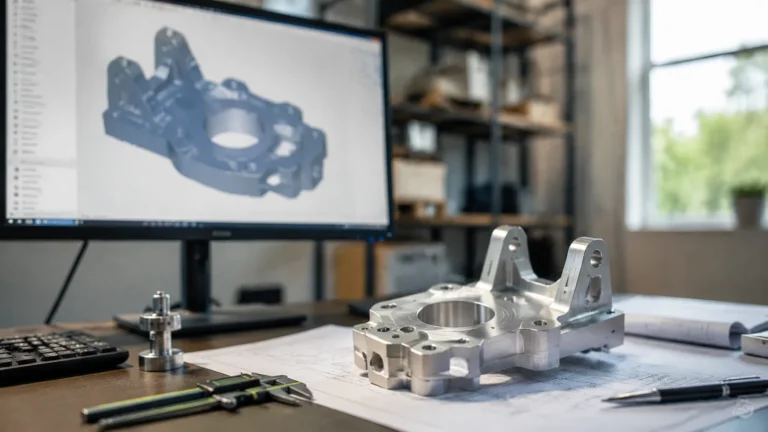
- Unmatched Repeatability: Every single component matches the digital CAD file identically.
- Smooth Surface Finishes: Crucial for surgical implants to prevent bacteria buildup and ensure patient safety.